THE BRAIN WORKS LIKE A RADIO
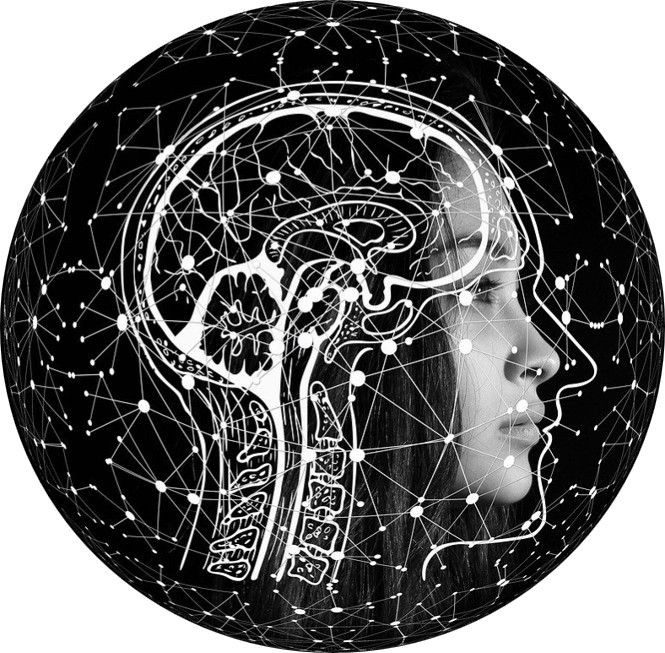
THE BRAIN
WORKS LIKE
A RADIO


The brain-as-a-radio analogy is used in neuroscience to explain how it tunes into specific frequencies for processing information, much like a radio selects stations, with neurons and circuits acting as receivers for different sensory inputs or thoughts, using electrical rhythms and frequencies to organize data, learn, and communicate internally. It’s not a literal radio, but a powerful metaphor for its dynamic frequency-based organization and ability to filter relevant signals from noise, with different brain regions synchronizing to specific rhythms to handle different tasks like memory or touch.
How the analogy works:
- Tuning In: Just as a radio receiver tunes to a specific frequency (e.g., 98.7 FM), parts of your brain tune into unique brainwave frequencies (like theta, alpha, gamma) to process particular information, notes ScienceDaily.
- Sensory Input: Nerve endings send electrical pulses, and brain circuits “receive” these changing frequencies, allowing us to feel textures or process sounds, says New Scientist.
- Information Transfer: Different brain areas synchronize with specific frequencies to send relevant memories or sensory data, filtering out irrelevant neural chatter, explains ScienceDaily.
- Synaptic Learning: Each synapse (connection) has an optimal frequency for strengthening, similar to tuning a radio for clear reception, notes Psychology Today.
- Multi-Band Receiver: A single neuron can act like a multi-band radio, switching between frequencies to handle different tasks, showing the brain’s efficiency, say Florida Atlantic University and ScienceDaily.
In essence, the brain is a dynamic receiver, constantly “tuning” its internal frequencies to interpret the world and manage thoughts, making the radio analogy a useful way to understand its complex information processing.
Beyond the analogy:
- Transduction Theory: Some researchers propose a more complex “transducer” model, suggesting the brain actively converts signals (like electromagnetic fields) and may even emit them, not just receive them, as explored by Discover Magazine and National Institutes of Health (.gov).
- Head as Antenna: There’s even a hypothesis that the human head acts as an antenna, absorbing radio frequencies (like from cell phones), with brain tissue acting as a receiver, according to National Institutes of Health (.gov) and ScienceDirect.com.
Scientific concepts
- Brain waves (EEG): Brain activity produces electrical waves (alpha, beta, etc.) that can be measured, reflecting different states of consciousness or processing, akin to radio waves.
- Electromagnetic fields: Neurons interact via electric fields, a form of wireless communication (ethaptic coupling) that works alongside traditional synaptic connections, allowing cells to influence each other.
- Transduction: Some theories suggest the brain is a transducer, converting energy from one form (like electromagnetic) into another (neural), and potentially receiving signals from an external field, though this is more speculative.
- Holonomic brain theory This is a branch of neuroscience investigating the idea that consciousness is formed by quantum effects in or between brain cells.
See article: Scientific American
What is the function of the various brainwaves?
Article written with Google AI
brainwave
FREQUENCIES
& FUNCTIONS
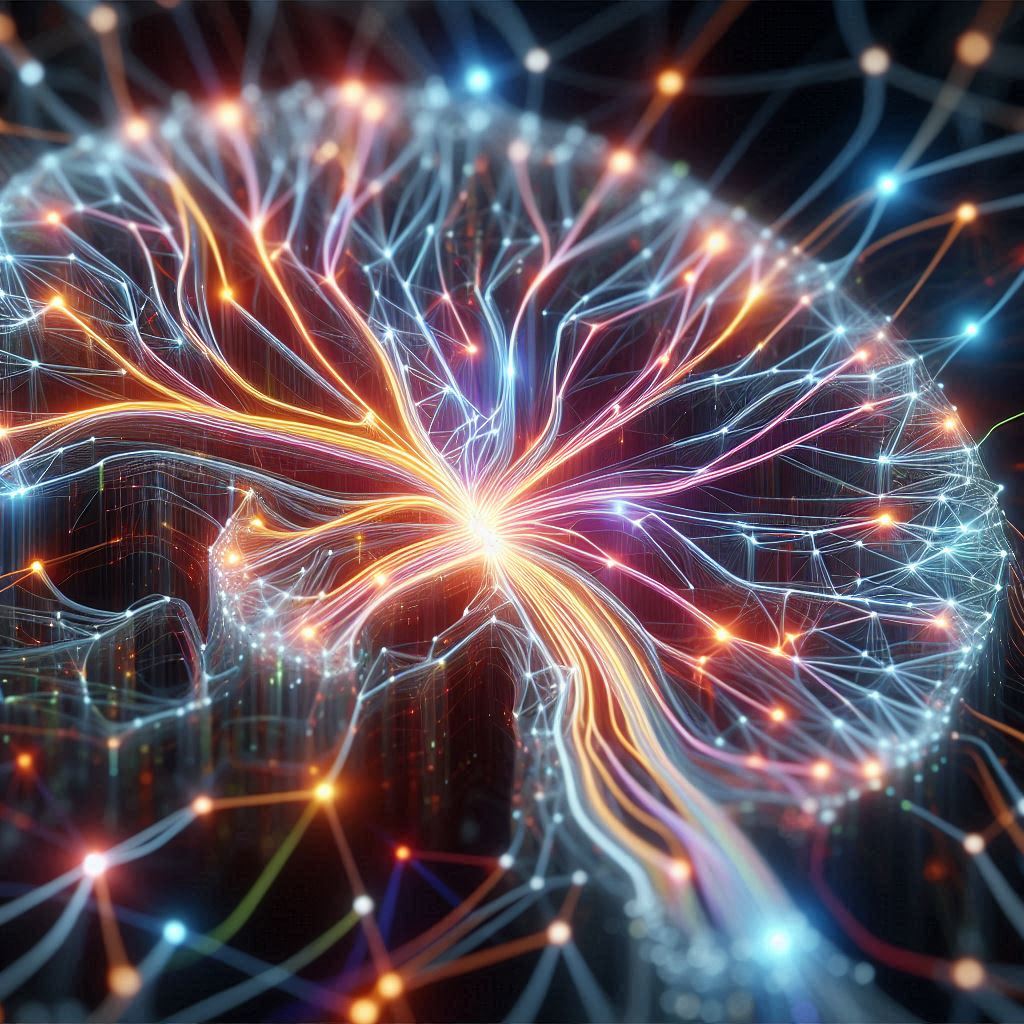

Brainwaves
Brainwaves are rhythmic electrical patterns in the brain, each linked to specific states of consciousness. The five main types are Gamma, Beta, Alpha, Theta, and Delta, ranging from very fast (Gamma) to very slow (Delta), and they regulate everything from intense focus to deep sleep.
- Gamma waves are the fastest, associated with peak mental performance, learning, and consciousness integration.
- Beta waves are strongest when you’re actively engaged in thinking, problem-solving, or working, but excessive beta can lead to stress.
- Alpha waves occur when you’re calm but alert, such as during relaxation or mindful focus. Alpha waves are the bridge between conscious and subconscious states, often cultivated in mindfulness and meditation practices.
- Theta waves are linked to dreaming and meditation. Theta waves are crucial for memory consolidation and creativity, appearing in REM sleep and deep meditation.
- Delta waves dominate during deep sleep and are crucial for restoration and healing, essential for physical and mental recovery.
Summary of Brainwave Types
- Gamma = turbo mode (learning, insight)
- Beta = active mode (thinking, working)
- Alpha = relaxed mode (calm, creative)
- Theta = dream mode (imagination, memory)
- Delta = deep sleep mode (healing, restoration)
| Brainwave | Frequency Range (Hz) | Associated Functions / States |
| Gamma | ~30–100 Hz (often 40 Hz emphasized) | High-level cognition, learning, memory, information processing, peak concentration, and sometimes linked to states of heightened consciousness. |
| Beta | ~13–30 Hz | Active thinking, problem-solving, alertness, focus, and sometimes stress or anxiety when overactive. |
| Alpha | ~8–12 Hz | Relaxed wakefulness, calmness, creativity, meditation, and the “flow state.” Often seen when closing eyes or daydreaming. |
| Theta | ~4–8 Hz | Deep relaxation, light sleep, dreaming, creativity, intuition, and emotional processing. Often linked to hypnosis or meditative states. |
| Delta | ~0.5–4 Hz | Deep, dreamless sleep, physical healing, regeneration, and unconscious processes. Dominant in infants and during restorative sleep. |
Article written with Copilot
Frequency
of brainwaves

Electromagnetic waves
‘Brain waves and radio signals are different types of electromagnetic waves that can be distinguished by their frequency: The frequency of brain waves is measured using an electroencephalograph (EEG), which places electrodes on the scalp to detect electrical impulses. Brain waves are categorized into frequency bands, including alpha (8–12 Hz), beta (13–30 Hz), theta (4–8 Hz), and delta (less than 4 Hz).’
https://www.news-medical.net/news/20220225/Researchers-st
Radio signals
Radio signals are converted into electrical energy that can be detected by technology like radios and Wi-Fi. While it’s possible to build a receiver to detect brain waves, it would require an antenna that’s at least one quarter of the wavelength of the brain wave. However, brain waves have extremely low frequencies, with wavelengths that are tens of thousands of kilometres long.
Recent research has demonstrated the ability to translate brain waves into radio signals.
Transmitting brainwaves that had been converted into radio signals would require amplification plus an antenna tens of thousands of kilometres of transmitters. This is similar to worldwide coverage of a network of radio and television stations and transmissions. In theory this could be accomplished by a global range of radio controlled implants in human beings as Dr Delgado envisioned in the 1950’s.
A team of researchers used wireless Bluetooth technology to pass brain signals to a metasurface, which then translated the signals into radio waves. Another research team used a similar technology to establish brain-to-brain communication between two volunteers.
Article written with Google AI
Radio
controlled implants

Delgado – 1950’s technology
‘José Manuel Rodríguez Delgado (August 8, 1915 – September 15, 2011) was a Spanish professor of physiology at Yale University, famed for his research on mind control through electrical stimulation of the brain.’
medicine.yale.edu/psychiatry/newsandevents/delgado.aspx
Delgado used permanent brain implants to control behaviour. Later he utilised non-inversive methods. Rodríguez Delgado’s research interests centred on the use of electrical signals to evoke responses in the brain. His earliest work was with cats, but he later did experiments with monkeys and humans, including psychiatric patients.
Much of Rodríguez Delgado’s work was with an invention he called a stimoceiver, a radio which joined a stimulator of brain waves with a receiver which monitored E.E.G. waves and sent them back on separate radio channels. Some of these stimoceivers were as small as half-dollars. This allowed the subject of the experiment full freedom of movement while allowing the experimenter to control the experiment. This was a great improvement from his early equipment which included visual disturbance in those whose wires ran from the brain to bulky equipment that both recorded data and delivered the desired electrical charges to the brain. This early equipment, while not allowing for a free range of movement, was also the cause of infection in many subjects.
The stimoceiver could be used to stimulate emotions and control behavior. According to Rodríguez Delgado, “Radio Stimulation of different points in the amygdala and hippocampus in the four patients produced a variety of effects, including pleasant sensations, elation, deep, thoughtful concentration, odd feelings, super relaxation, colored visions, and other responses.” Rodríguez Delgado stated that “brain transmitters can remain in a person’s head for life. The energy to activate the brain transmitter is transmitted by way of radio frequencies.”
cognitiveliberty.online
jose delgado
implants and electromagnetic mind control stopping the furious bull
CURRENT
GLOBAL RESEARCH
Elon Musk and his Neuralink system has received a lot of public interest. However there is much global research into Brain-Computer Interface (BCI). Chinese researchers have made significant strides in BCI technology, enabling the control of external devices and interaction with electromagnetic waves using brainwaves, with applications from controlling space station arms to assisting disabled individuals, potentially revolutionising human-computer interaction and neurotherapies, though scientists emphasise current capabilities are far from science fiction, focusing on health monitoring and assistive tech.
Key Developments:
- Mind-Controlled Robotics: Teams have developed systems allowing high-accuracy control of robotic arms in space using brain signals, surpassing keyboard accuracy in tests.
- Non-Invasive Therapies: New technology aims to use particle beams to treat neurological disorders like Parkinson’s and depression without drugs or implants, with trials planned.
- Health Monitoring: Research focuses on using brainwaves for health monitoring and assisting those with motor impairments, allowing them to communicate or control devices.
- Implantable Chips: Less invasive implanted chips, like those from Shanghai-based StairMed, are being developed for paralyzed patients, similar to Neuralink’s efforts.
Capabilities & Limitations:
- Decoding Thoughts: Current systems decode specific brainwave patterns, not complex thoughts, focusing on intent for actions like controlling a cursor or robot.
- High Accuracy: Brainwave control for tasks like operating a space arm can achieve over 99% accuracy in simulations.
- Future Potential: Beyond immediate applications, researchers foresee a future where thoughts control devices, enabling seamless interaction and communication, but emphasise that reading memories or complex emotions is still distant.
Ethical Considerations:
- While applications focus on aiding people and industry, the potential for misuse, such as surveillance, raises concerns, prompting discussions on necessary regulations.
In essence, China is advancing brain-computer interfaces for practical applications in space, medicine, and assistive technology, marking a significant step towards integrating human minds with digital systems.
Articles
Remotely mind-controlled metasurface via brainwaves – Springer Nature Link
Brain waves work in AM and FM like radio – Nova News / Agenzia News
Ohio State leads research into wireless monitoring of brain waves
– Ohio State University Engineering department
Article written with Google AI
 HOW TO FREE YOURSELF