MIND CONTROL
& THE BRAIN
The brain, AI and neural networks –
The brain as a bio-computer…
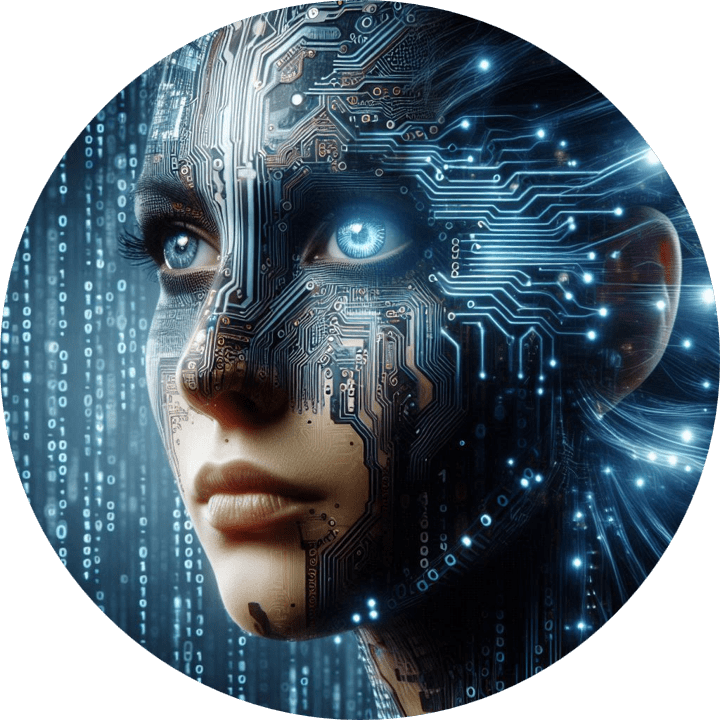
Biocomputing and the brain involve creating computers using biological components, like human brain cells, to harness the brain’s efficiency, energy savings, and learning capabilities, moving beyond silicon limitations with approaches like neuromorphic computing and organoid intelligence (OI) to build powerful, organic AI and study neuroscience. These “wetware” systems use living neurons in brain organoids or on chips to process information, learn, and adapt, offering potential breakthroughs in AI, drug discovery, and understanding neurological diseases.
How it Works
- Brain Organoids: Scientists grow 3D cultures of human brain cells (organoids) from stem cells, creating mini-brains that can learn and compute.
- Brain-on-a-Chip: Human neurons are grown on silicon chips, allowing scientists to stimulate them and read signals, enabling direct communication between biology and electronics (like the CL1).
- Neuromorphic Computing: Designing computer chips that mimic the brain’s structure (neurons and synapses) for efficient, low-power processing.
Written with Google AI
Key Goals & Benefits
- Energy Efficiency: Brains use vastly less power than supercomputers for similar tasks, a major goal for biocomputing.
- Advanced AI: Using living brain tissue could create more adaptable and powerful artificial intelligence.
- Disease Modeling: Studying how these biological systems work helps model neurological conditions like dementia.
- New Computing Paradigm: Blurs the line between hardware and software, as cells can change and learn.
Examples & Applications
- Cortical Labs (CL1): A biological computer using human neurons on a chip for research.
- Final Spark: Developing “wetware as a service,” allowing cloud access to biological computers.
- Organoid Intelligence (OI): A new field focused on scaling organoids, connecting them to I/O devices, and developing communication interfaces.
Challenges & Ethics
- Addressing ethical considerations, as outlined in documents like the Declaration of Baltimore.
- Scaling up organoids and ensuring their durability.
- Developing algorithms to understand and communicate with them.
 HOW TO FREE YOURSELF